


When it comes to maintaining a comfortable and energy-efficient home or business, HVAC contractors play an essential role. Professional HVAC (Heating, Ventilation, and Air Conditioning) contractors offer a wide range of services to ensure your system operates optimally year-round. From installation to repair and maintenance, here’s an overview of the comprehensive services provided by skilled HVAC professionals.
Installation Services
– The size of your property
– Your energy efficiency goals
– Climate conditions in your area
This personalized approach ensures that you receive a system that provides effective temperature control without wasting energy or resources. Whether you’re installing a new furnace, central air conditioning unit, ductless mini-split system, or heat pump, hiring an experienced contractor guarantees proper sizing and installation.
Routine Maintenance Plans
– Cleaning or replacing air filters
– Inspecting ductwork for leaks or blockages
– Checking refrigerant levels in air conditioners
These preventive measures help identify minor issues before they escalate into costly repairs or replacements.
Repair Services
Even the most reliable HVAC systems can experience unexpected breakdowns. A professional contractor is equipped to diagnose and repair issues quickly, restoring comfort to your space with minimal downtime.
– Fixing malfunctioning thermostats
– Addressing uneven heating or cooling problems
– Replacing worn-out components like motors or fans
Some contractors also provide 24/7 emergency repair services for critical situations.
System Replacement and Upgrades
Over time, aging systems become less efficient and more prone to failure. A professional contractor can evaluate whether it’s time for replacement based on factors such as high utility bills, frequent repairs, or poor indoor air quality.
| Service | Description | Benefits |
| New System Installation | Installing custom-designed systems | Improved comfort & energy efficiency |
| Preventive Maintenance | Annual inspections & tune-ups | Extended equipment lifespan |
| Emergency Repairs | Immediate fixes for unexpected breakdowns | Restored functionality with minimal delays |
| System Replacement/Upgrades | Replacing outdated units with modern options | Increased efficiency & reduced utility costs |
– Installing whole-home humidifiers/dehumidifiers
– Adding air purifiers to remove allergens and pollutants
– Duct cleaning services to eliminate dust buildup
Energy Audits and Efficiency Consulting
To help reduce energy consumption, some professional HVAC contractors offer comprehensive energy audits. These assessments identify areas where you might be losing heating or cooling efficiency due to insulation gaps, outdated equipment, or duct leaks.
By leveraging the full scope of these specialized services offered by professional HVAC contractors, homeowners and businesses alike can ensure their systems run efficiently while promoting healthier indoor environments. Skilled professionals bring technical expertise coupled with customer-focused solutions tailored to meet individual needs effectively.
Key Factors to Consider When Choosing the Right Orlando HVAC Contractor for Your Home or Business
To ensure you make the best choice, there are several key factors to evaluate. Below is a breakdown of these considerations to guide you through the selection process.
Licensing, Certifications, and Insurance for HVAC Service Orlando
- Verify Licensing:Ensure the contractor holds proper local or state licenses required to perform HVAC work. This demonstrates that they have met minimum competency standards.
- Certifications Matter:Look for certifications such as NATE (North American Technician Excellence), which indicate advanced knowledge in HVAC systems.
- Insurance Coverage:The contractor should have liability insurance and worker’s compensation coverage to protect you from potential damages or injuries during the project.
Experience and Expertise
- Years in Business:Find out how long the contractor has been operating in the industry. A well-established company is more likely to provide reliable services.
- Specialized Expertise:Ensure they have experience working with your specific type of system (e. g. , central air conditioning, ductless systems, heat pumps). Commercial projects may require different expertise than residential ones.
References and Reviews
- Request References:Ask for references from past clients and follow up with them to ask about their experience with the contractor.
- Online Reviews:Check platforms like Google Reviews, Yelp, or Angi (formerly Angie’s List) to gauge customer satisfaction levels.
| Factor | Why it’s Important | What to Look For |
| Licensing & Insurance | Ensures compliance with regulations | Valid license number; proof of liability insurance |
| Experience Level | Guarantees reliable work | 5+ years in business; familiarity with your system |
| Customer Feedback | Reflects quality and professionalism | Positive reviews; recommendations from others |
Transparent Pricing and Detailed Estimates
A reputable HVAC contractor will provide clear pricing without hidden fees.
1.Written Estimates: A detailed estimate should include labor costs, parts required, warranties offered, and project timelines. 2.Comparative Quotes: Obtain quotes from multiple contractors but avoid basing your decision solely on price—quality matters more than cost savings.
Warranties on Workmanship and Equipment
Reputable contractors stand behind their work by offering warranties:
– Workmanship Warranty: Covers any issues resulting from installation errors.Manufacturer Warranty: Applies to parts or equipment defects from the manufacturer.
Ensure you understand warranty terms before agreeing to work with a contractor.
Availability for Maintenance Services
Post-installation maintenance is crucial for system efficiency over time. Select a contractor who offers ongoing maintenance plans or annual tune-ups at reasonable rates.
Questions You Should Ask Prospective Contractors
Prepare a list of questions before hiring an HVAC professional: – Are you licensed, insured, and certified?
– How many similar projects have you completed?
– What brands do you typically recommend or install? – What maintenance services do you offer post-installation?
Taking time upfront to consider these factors will ensure a smoother process when choosing an HVAC contractor who meets your needs effectively while providing high-quality service over time.
How an HVAC Contractor Can Assist with Efficient Air Conditioning and Heating Replacement
Replacing an air conditioning or heating system is a significant investment for homeowners and businesses. Partnering with a skilled HVAC contractor ensures the process is efficient, cost-effective, and tailored to your needs. Here’s how a professional contractor can assist in making system replacement seamless and successful.
Comprehensive Assessment of Your Current System
Before proceeding with a replacement, an HVAC contractor performs a detailed evaluation of your current heating or cooling system.
- Inspecting the existing equipment to determine inefficiencies.
- Assessing ductwork for potential leaks or obstructions.
- Identifying whether repairs can extend the life of the current system or if replacement is truly necessary.
By conducting this assessment, contractors ensure that replacement decisions are data-driven and not premature.
Recommending Energy-Efficient Models
Modern HVAC systems offer advanced energy efficiency features that can significantly reduce your utility bills over time.
- SEER (Seasonal Energy Efficiency Ratio):Higher SEER ratings indicate better cooling efficiency.
- AFUE (Annual Fuel Utilization Efficiency):For furnaces, AFUE measures heating efficiency.
- Unit size and capacity tailored to your property’s square footage and insulation.
They also consider your budget while recommending energy-efficient models to maximize savings without compromising performance.
Proper Sizing and Load Calculation
An HVAC contractor conducts detailed load calculations to determine the correct size of the new system.
- Inefficient energy use.
- Uneven heating or cooling throughout your space.
- Increased wear and tear on components.
By ensuring accurate sizing using tools like Manual J calculations (used for residential properties), contractors optimize system performance while avoiding unnecessary complications.
Seamless Installation Process
Efficient replacement hinges on proper installation.
- Removal of old equipment with minimal disruption.
- Safe handling of refrigerants in compliance with environmental regulations.
- Proper placement of outdoor units for optimal airflow and noise reduction.
- Testing connections, wiring, refrigerant levels, and thermostat compatibility post-installation.
This attention to detail guarantees that your new system operates efficiently from day one.
| Step | Contractor Responsibility |
| Pre-installation assessment | Evaluating ductwork, unit size requirements |
| System recommendation | Suggesting energy-efficient options |
| Installation setup | Connecting components, ensuring safety compliance |
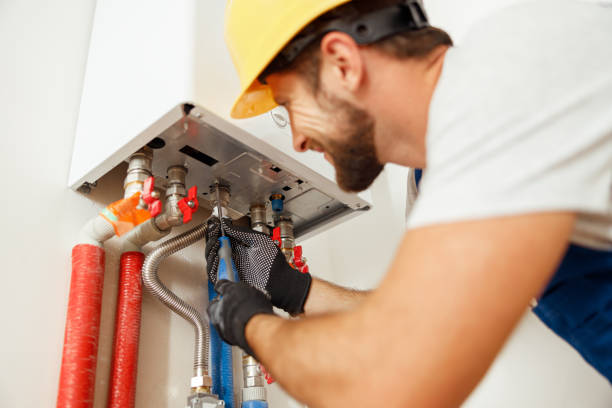
Enhancing Long-Term Performance Through Maintenance Advice
Once the installation is complete, contractors provide guidance on proper maintenance practices to extend the lifespan of your new system.
- Regular filter replacements based on manufacturer recommendations.
- Scheduling biannual maintenance inspections for optimal performance.
- Keeping outdoor condenser units clear of debris such as leaves or dirt.
Some contractors may also offer maintenance packages as part of their services for ongoing support.
Benefits of Expert Assistance
- Reduced risk of common installation errors.
- Access to warranties that protect against future issues.
- Improved energy efficiency leading to lower operational costs over time.
Whether you’re upgrading outdated equipment or replacing a failing unit, working with a knowledgeable professional ensures you receive reliable solutions tailored specifically to your unique needs.
How an HVAC Contractor Can Assist with Efficient Air Conditioning and Heating Replacement
Replacing an air conditioning or heating system is a significant investment for any homeowner or business. It requires careful planning, precision, and the expertise of a professional. An experienced HVAC contractor plays an essential role in ensuring the replacement process is seamless, cost-effective, and tailored to your specific needs. Here’s how an HVAC contractor can assist with efficient air conditioning and heating replacement.
Assessing Your Current System
Before any replacement begins, a qualified HVAC contractor will evaluate your existing system to determine:
– Whether the unit truly requires replacement or if repairs are a viable option.
– The energy efficiency of your current system compared to modern alternatives.
– Any underlying issues within your ductwork or ventilation that could impact the performance of a new unit.
This thorough assessment ensures you’re making an informed decision before proceeding with the replacement.
Recommending the Right Replacement Unit
An HVAC contractor doesn’t provide one-size-fits-all solutions.
– System Size:Ensuring the new unit is appropriately sized for your space (oversized units can lead to inefficiencies, while undersized ones may struggle to maintain comfort).
– Energy Efficiency Ratings:Suggesting systems with higher SEER (Seasonal Energy Efficiency Ratio) ratings to save on long-term energy costs.
– Compatibility:Confirming that the new system integrates well with existing controls, smart thermostats, or zoning systems in place.
Professional Installation Services
The installation process is critical for ensuring optimal performance and longevity of your new AC or heating system.
1.Removing Old Equipment:Safely disconnecting and disposing of outdated units according to environmental regulations. 2.Ductwork Inspection/Modification:Evaluating ducts for leaks or damage and making necessary repairs or adjustments. 3.Precise Installation:Carefully following manufacturer guidelines while installing components like compressors, condensers, blowers, etc. 4.Calibrating Settings:Setting up thermostats and optimizing airflow for balanced temperature control across your property.
Ensuring Energy Efficiency Post-Replacement
A reputable HVAC contractor goes beyond installation by fine-tuning your new system for maximum efficiency:
– Conducting performance tests to ensure proper airflow and refrigerant levels. – Sealing duct leaks that could undermine energy efficiency. – Providing advice on maintenance plans to extend the life of your system.
Additionally, they may suggest incorporating modern technologies such as programmable thermostats or advanced sensors for even greater energy savings.
Cost Savings through Expert Guidance
Working with an HVAC contractor often leads to financial benefits over time:
| Benefits | Details | |——————————–|————————————————————————-| | Lower Energy Bills | Upgrading to high-efficiency systems reduces monthly utility costs. | | Manufacturer Rebates/Incentives| Professionals can guide you toward rebates or tax credits available.
Environmental Considerations
An experienced HVAC contractor also helps you choose environmentally friendly options by recommending systems that use eco-conscious refrigerants (like R-32) while promoting higher efficiency standards.
By relying on their knowledge and skills during air conditioning or heating replacements, you can ensure improved comfort levels in addition to long-term cost-effectiveness—benefiting both your home environment and your wallet alike.
Finding the Best Orlando FL HVAC Company for System Replacement Assistance
Maintaining a comfortable indoor environment relies heavily on the efficiency and reliability of your HVAC system. Over time, even the most well-maintained systems can wear out and require replacement. Knowing when to consult an expert HVAC contractor for a system replacement is critical to avoiding costly repairs, maintaining energy efficiency, and ensuring your comfort year-round. Below are key signs that signal it’s time to seek professional assistance.
One of the most common indicators of an aging or malfunctioning HVAC system is a noticeable increase in your energy bills. If your utility costs are climbing without any significant changes in usage, your system may be losing efficiency. Replacing outdated equipment with modern, energy-efficient models can save you money in the long run.
- Monthly utility bills steadily increasing.
- Inconsistent heating or cooling throughout your space.
- Energy consumption remains high despite regular maintenance.
If you find yourself repeatedly calling for HVAC repairs, it may be more cost-effective to replace the system altogether. A professional contractor can assess whether continued repairs are worth it or if a new installation will offer better value.
- Are repair costs starting to approach half the price of a new system?
- Has your current unit exceeded its expected lifespan (10–15 years for most systems)?
- Does recurring downtime disrupt comfort or business operations?
| Repair History | Recommended Action |
| Occasional minor repairs | Continue with maintenance and monitor performance. |
| Frequent costly breakdowns | Consult an HVAC contractor about replacement options. |
If certain rooms in your home or office feel too hot while others remain cold, this could be due to an aging or improperly functioning HVAC unit. Uneven temperature control often indicates that the system is struggling to distribute air evenly throughout your space.
- Failing components like motors or compressors.
- Outdated ductwork designs incompatible with modern systems.
An experienced contractor can perform a thorough evaluation to identify whether duct modifications or a full replacement is necessary.
Unusual noises such as grinding, rattling, or squealing could indicate serious mechanical issues within your HVAC equipment. While some sounds may be resolved through simple repairs, persistent noise often points toward aging units nearing the end of their service life.
- Grinding—may indicate motor failure.
- Rattling—loose parts within the unit.
- Squealing—potential blower belt issues.
Replacing noisy equipment with quieter, modern counterparts improves both comfort and operational efficiency.
Older HVAC systems can result in reduced indoor air quality due to poor filtration and ventilation capabilities. If you’re noticing increased dust buildup, humidity issues, or worsening allergies among occupants, it’s worth consulting an expert about upgrading your unit.
- Persistent dust accumulation despite cleaning efforts.
- Increased respiratory symptoms like coughing or sneezing.
- Mold growth around vents caused by inefficient air circulation.
Modern systems often come equipped with advanced filtration technology designed to enhance air quality while maintaining energy efficiency.
When It’s Time To Call an Expert
If you’ve noticed any combination of these signs affecting your current HVAC system’s performance, consulting a skilled contractor is essential for assessing replacement options tailored to your needs. A professional evaluation ensures you invest in reliable equipment that enhances comfort while minimizing long-term costs associated with inefficiency and frequent breakdowns.
Letting these signals go unaddressed can lead not only to higher expenses but also unnecessary discomfort during peak heating or cooling seasons—making timely action all the more important for homeowners and businesses alike.
Recognizing the Signs You Need Expert Assistance from an HVAC Contractor for System Replacement
HVAC systems play a crucial role in maintaining comfort and air quality in your home or business. However, like any other mechanical system, they have limited lifespans and can deteriorate over time. Recognizing the signs that indicate your HVAC system might need expert replacement can save you money, improve energy efficiency, and prevent unexpected breakdowns. Below are the key indicators to watch for and why it’s important to consult a professional contractor when these issues arise.
While occasional maintenance is normal, excessive repair costs may outweigh the benefits of keeping an old system running.
– Recurring Issues:Persistent problems with airflow, thermostat inconsistencies, or uneven heating/cooling may signal deeper inefficiencies.
– High Repair Costs:If repair bills are approaching 50% of the cost of a new unit, replacement is often more cost-effective.
An aging or inefficient HVAC system typically consumes more energy to maintain optimal performance.
– Check for declining SEER (Seasonal Energy Efficiency Ratio) ratings, which measure cooling efficiency. – Ask an HVAC contractor to evaluate whether newer systems with higher efficiency ratings could save you money over time.
| Age of System | Efficiency Level | Recommended Action |
| 10+ years | Lower efficiency | Consider replacement |
| Under 10 years | Moderate efficiency | Maintenance/repair |
Do certain rooms feel significantly warmer or cooler than others? This could signal problems with ductwork or your system’s ability to distribute air evenly throughout your space.
– Aging components that no longer function properly. – A system that’s too small or too large for your home’s square footage.
An experienced contractor can assess whether upgrading to a properly sized unit would resolve these issues while improving comfort.
Unusual sounds—such as grinding, screeching, or banging—are clear signs of wear and tear within the internal components of your HVAC system.
– Burning smells may indicate overheating parts. – Musty odors could point to mold buildup in ductwork.
Ignoring these warning signs can lead to further damage and costly repairs.
Most HVAC systems are designed to last between 10–15 years with proper maintenance.
– Replacement will not only provide better reliability but also offer advanced features like smart thermostats and improved filtration systems. – Upgrading reduces potential environmental impact by using eco-friendly refrigerants such as R-410A instead of outdated ones like R-22.
Why Seek Professional Assistance?
Replacing an HVAC system is a complex process requiring expertise in selecting appropriate models, ensuring compatibility with existing ductwork, and performing proper installation practices.
1. Conduct a detailed inspection to identify underlying issues. 2. Recommend energy-efficient solutions tailored to your specific needs. 3. Ensure all installations comply with local regulations and safety standards.
By recognizing these warning signs early and consulting an experienced HVAC contractor promptly, homeowners and businesses can make informed decisions that enhance comfort levels while minimizing long-term costs associated with inefficient systems or emergency replacements.
Questions to Ask Before Hiring an HVAC Contractor for Your Next Project
With so many options available, asking the right questions can help you make an informed decision.
1. Are You Licensed and Insured?
- Why It Matters: Licensing ensures that the contractor meets local regulations and industry standards. Insurance protects you from liability in case of accidents or damages during the project.
- A valid state or local license for HVAC work.
- Proof of general liability insurance and worker’s compensation coverage.
2. What Is Your Experience with My Specific System?
- Why It Matters: Not all contractors have experience with every type of HVAC system or brand. If your system is unique or advanced, you’ll want someone who knows how to handle it properly.
- Follow-Up Question: Have you worked with [specific brand/model] systems before?
3. Can You Provide References or Testimonials?
- Why It Matters: Feedback from previous clients provides insights into a contractor’s professionalism, reliability, and quality of work.
- What To Do: Ask for contact details of past customers or check online reviews on platforms like Google Reviews, Better Business Bureau (BBB), or Yelp.
4. Do You Offer Written Estimates and Contracts?
- Why It Matters: A detailed written estimate ensures that both parties fully understand the scope of work, costs involved, timelines, and terms of service before starting the project.
- Breakdown of labor and material costs.
- Start date and estimated completion timeline.
- Warranty information.
| Item | Importance | Notes |
| Labor Costs | Transparency in charges | Avoid vague pricing |
| Material Costs | Know what products are being used | Ensure quality brands are specified |
| Warranty | Covers workmanship/materials failures | Request terms in writing |
5. What Maintenance Plans Do You Offer Post-Installation?
- Why It Matters: Routine maintenance prolongs system life and prevents costly repairs over time. Contractors offering post-installation services indicate long-term commitment to customer satisfaction.
6. Are There Any Guarantees on Your Workmanship?
- Why It Matters: A workmanship guarantee shows confidence in their skills and provides peace of mind if issues arise after installation or repair work.
7. What Payment Plans Are Available?
Some projects may be costly upfront; understanding financing options can help manage expenses effectively without compromising quality.
Additional Tips When Interviewing HVAC Contractors
Use the following checklist during discussions with potential contractors: – Confirm their availability for emergency services. – Verify whether they obtain necessary permits for installations/replacements. – Observe how professionally they communicate — punctuality and clarity often reflect overall service quality.
By asking these critical questions, you ensure that the contractor you choose will deliver reliable service aligned with your needs while maintaining industry standards for safety and efficiency.
Questions to Ask Before Hiring an HVAC Contractor for Your Next Project
When it comes to hiring an HVAC contractor, asking the right questions is essential to ensure you receive quality services. Whether you are installing a new system, replacing an old one, or scheduling routine maintenance, a professional contractor should meet your needs and provide reliable solutions. Below are some key questions to ask before making your decision.
1. Are You Licensed, Bonded, and Insured?
Verifying that the contractor is licensed, bonded, and insured protects you from potential liabilities. A licensed contractor demonstrates that they meet state requirements and possess the knowledge to perform HVAC work safely and effectively.
Key details to request:– Proof of active licensing. – Insurance coverage for property damage and worker injuries. – Bonding information as a financial safety net.
| Item | Why It Matters |
| License | Ensures compliance with local regulations. |
| Insurance | Protects against liability for damages or injuries. |
| Bond | Covers incomplete or unsatisfactory work. |
2. How Much Experience Do You Have in the HVAC Industry?
Experience plays a critical role in the quality of work performed by an HVAC contractor. Contractors with years of experience will likely have expertise in handling various HVAC models, brands, and system complexities.
Questions to consider:– How long have they been in business? – Have they worked on similar projects (e. g. , residential vs. commercial)? – What types of systems do they specialize in?
3. Can You Provide References or Reviews from Past Clients?
A reputable contractor should be able to provide references or direct you to online reviews showcasing their previous work.
What to look for:– Consistently positive feedback. – Testimonials highlighting reliability and professionalism. – Evidence of timely project completion.
4. Do You Offer Free Estimates or Consultations?
Understanding project costs upfront is crucial before committing to any service agreement. Many professional contractors offer free estimates as part of their customer service.
Ask about:– Whether estimates include labor, materials, permits, and additional fees. – Any consultation charges if applicable.
5. What Energy-Efficient Options Do You Recommend?
Energy efficiency is essential for reducing monthly utility bills and minimizing environmental impact. An experienced contractor should be knowledgeable about energy-efficient systems like ENERGY STAR-certified units.
Follow-up points:– Are there rebates or incentives available for energy-efficient upgrades? – How do these systems compare in terms of upfront cost versus long-term savings?
6. What Does Your Maintenance Program Include?
Routine maintenance can extend the life of your HVAC system while ensuring peak performance year-round.
Features often included:– Seasonal tune-ups (spring/fall inspections). – Filter replacements and cleaning. – Checks for leaks or wear-and-tear issues.
7. Do You Provide Written Contracts and Warranties?
A written contract outlines project specifics like timeline, scope of work, costs, warranties, and more—protecting both parties involved.
Be sure it includes:– Start/end dates. – Payment breakdowns. – Warranty terms covering parts/labor.
By asking these questions during your initial consultation with an HVAC contractor, you can make an informed decision that ensures quality service tailored to your needs while protecting your investment over time.
- Understanding Why Power Surges Are a Real Threat to Orlando HVAC Systems
- Complete Orlando HVAC Guide: Step-by-Step AC Installation Tips
- Expert Orlando HVAC and Plumbing Services for Your Home
- The Importance of Timely AC Repair Orlando Services for Home Comfort
- Trusted Orlando HVAC Services for Reliable Installation and Year-Round Comfort
- Expert AC Repair Orlando Services from a Professional HVAC Contractor
- Expert Tips for AC Repair Orlando and Professional HVAC Replacement
- A Comprehensive Guide to Finding Trustworthy Orlando HVAC Contractors for Your Home
- Important Questions to Ask Before Hiring an AC Repair Orlando Specialist for Your Home